|
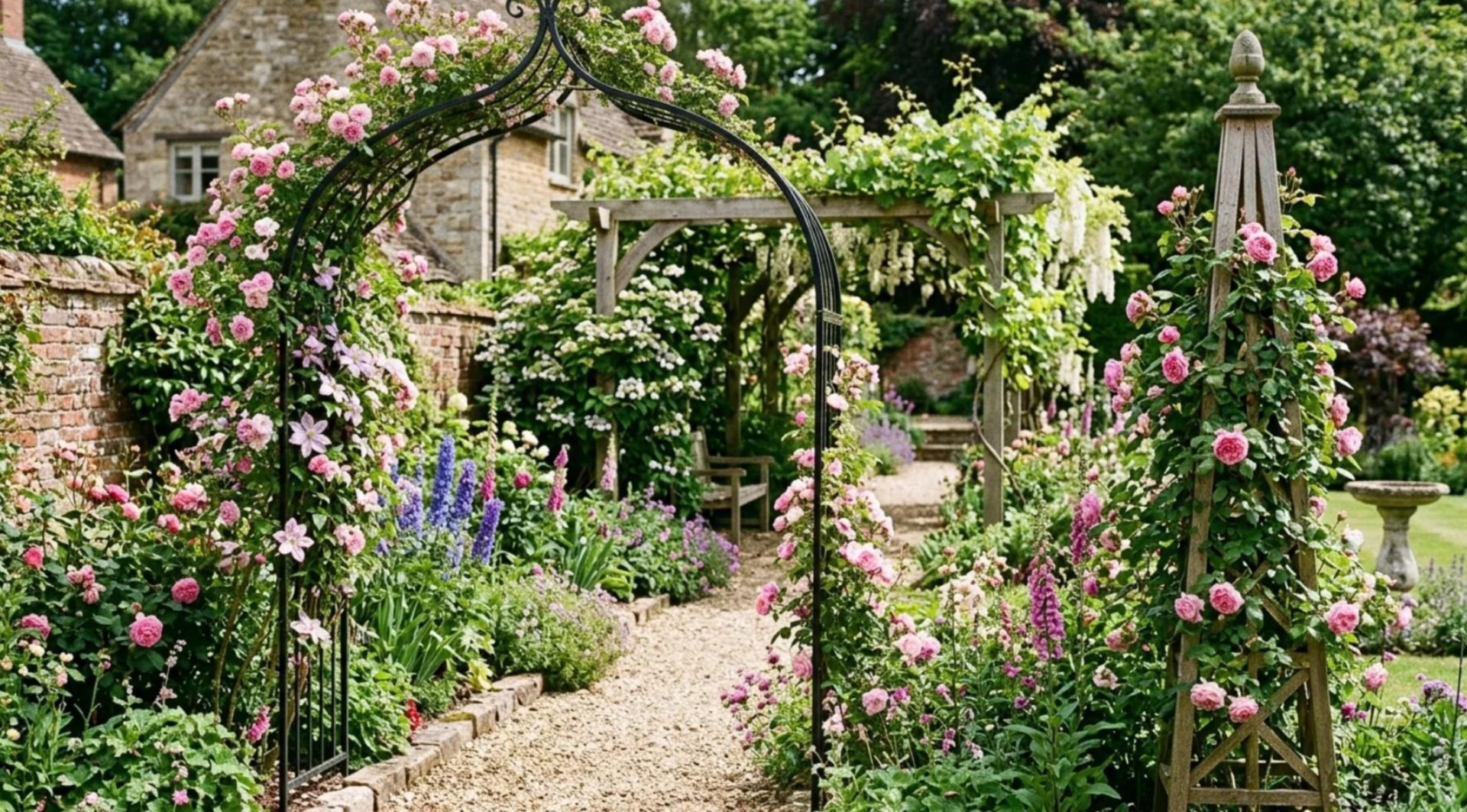
Small gardens often lack visual depth because human eyes naturally sweep across flat horizontal surfaces. Introducing vertical structures transforms compact outdoor spaces by drawing the gaze upward and creating distinct layers of greenery. Strategic placement of height elements makes limited boundaries feel much larger while increasing actual planting capacity through multi-dimensional layout planning. Selecting the right frame requires matching structural weight with the surrounding landscape design to maintain spatial equilibrium. Selecting the Right Height Structures for Compact LayoutsProportion remains the absolute priority when choosing vertical elements for restricted footprints. Massive pergolas overwhelm tiny courtyards, whereas slender metal rods or wooden poles blend harmoniously into narrow flowerbeds. A carefully positioned freestanding garden obelisk introduces an instant focal point without consuming valuable ground space needed for root development. Arches function exceptionally well over narrow pathways, establishing a natural gateway that frames distant views and enhances perceived depth. Every installed feature should serve a dual purpose by supporting climbing flora while simultaneously dividing the area into intimate functional zones. Maximizing Greenery Through Vertical Planting TechniquesClimbing species transform bare metal or wooden frameworks into lush botanical towers within a single growing season. Annual climbers provide rapid coverage, while perennial vines establish permanent woody skeletons that offer year-round architectural interest. Pruning becomes essential to prevent vertical accents from becoming top-heavy and blocking vital sunlight from reaching lower shade-tolerant vegetation. Training stems diagonally across the structure rather than straight up encourages lateral branching and results in a much denser, more aesthetically pleasing coverage. Companion planting at the base of these structures conceals bare lower stems and unifies the entire vertical composition with surrounding groundcover. Practical Placement Rules for Small SpacesStrategic positioning dictates whether a vertical accent expands spatial perception or creates visual clutter. Placing tall structures against boundary walls breaks up monotonous fencing and softens hard architectural lines without stealing square footage. Positioning frames near corners tricks the eye into perceiving broader dimensions by accentuating the outer limits of the garden layout. Lighting integration further enhances these structures after dark, casting dramatic shadows and extending the usability of compact outdoor retreats. Maintenance access must remain unhindered around every installed element to ensure hassle-free watering, feeding, and pruning throughout the seasons. |